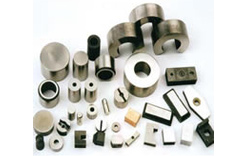


AlNiCo Magnets
Compared to neodymium permanent magnet – NdFeB, alnico magnets are excellent resistance to high temperature (up to 550℃) and high residual induction.
Introduction
Application
Attentions
Updated Posts
Classification: Cast AlNiCo & Sintered AlNiCo Magnets
Introduction
Alnico magnets are made of aluminum, nickel, cobalt, copper, iron and other materials. China Rare Earth Magnet Limited manufactures cast and sintered alnico permanent magnets in a variety shapes including horseshoe, U shape, bar, block, disc, ring, rod and other customized shapes, grades like FLN8-FLNGT42, LN9-LNGT72, or alnico2-alnico9,magnetized through thickness or diameter. Customers usually order uncoated alnico, several customers requested NiCuNi plating, yes, we can do it, but as it has weak adhesion to plating, NiCuNi plating might flake off if not handled properly.
Application
Cast alnico magnets are mainly applied in automotive parts, instruments, electro-acoustic, electrical, teaching equipments, aviation and military areas. Sintered Alnico magnets are widely used in fields of instrumentation, communications, electronic, magnetic switches, sensors and others.
Attentions
Given the low coercive force of alnico permanent magnet, in order to avoid irreversible demagnetization or disorder of magnetic flux distribution, alnico magnets shall be strictly kept apart from other magnetic materials in actual application or shipping process, especially neodymium magnet material.
Updated Posts
AlNiCo Magnets Assembly 20191118
AlNiCo Permanent Magnet LNGT88 20170314-1
Permanent Magnets for Guitar 20170207
Introduction
Alnico magnets are made of aluminum, nickel, cobalt, copper, iron and other materials. China Rare Earth Magnet Limited manufactures cast and sintered alnico permanent magnets in a variety shapes including horseshoe, U shape, bar, block, disc, ring, rod and other customized shapes, grades like FLN8-FLNGT42, LN9-LNGT72, or alnico2-alnico9,magnetized through thickness or diameter. Customers usually order uncoated alnico, several customers requested NiCuNi plating, yes, we can do it, but as it has weak adhesion to plating, NiCuNi plating might flake off if not handled properly.
Application
Cast alnico magnets are mainly applied in automotive parts, instruments, electro-acoustic, electrical, teaching equipments, aviation and military areas. Sintered Alnico magnets are widely used in fields of instrumentation, communications, electronic, magnetic switches, sensors and others.
Attentions
Given the low coercive force of alnico permanent magnet, in order to avoid irreversible demagnetization or disorder of magnetic flux distribution, alnico magnets shall be strictly kept apart from other magnetic materials in actual application or shipping process, especially neodymium magnet material.
Updated Posts
AlNiCo Magnets Assembly 20191118
AlNiCo Permanent Magnet LNGT88 20170314-1
Permanent Magnets for Guitar 20170207
 |
Cast alnico magnets are made by pouring melted AlNiCo material into a mold, and then heat and cool the solidified blank. Cast AlNiCo are mainly manufactured into shapes of disc, block and ring, and are characterized by low temperature coefficient, high dampness, oxidation and temperature resistance, as well as the stability of magnetic performance....
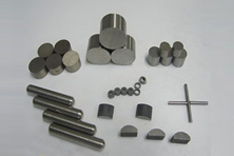
 Free Sample of AlNiCo Magnets
Sintered Alnico magnets are produced by powder metallurgy technology, which enables the production of sintered alnico into various complicated, light, thin and tiny shapes....